Stop Shopping, Start Drilling: 8 Techniques to Practice Before You Blame Your Machine
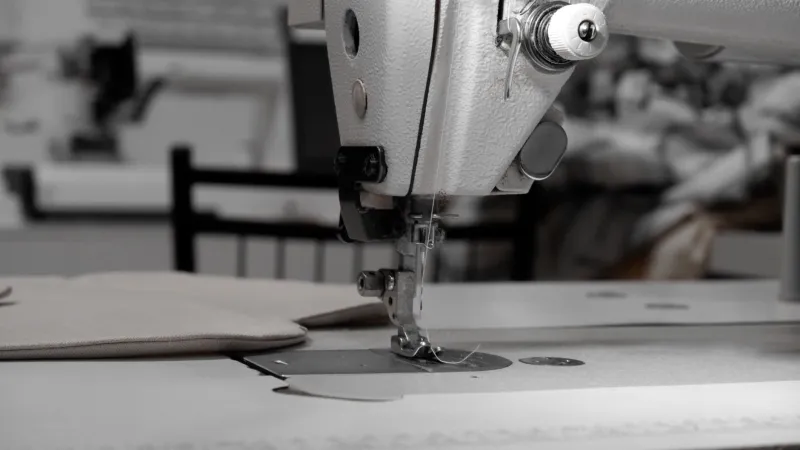
Every few weeks, someone tells us their sewing machine is "bad at zippers." Machines, it turns out, are also bad at buttonholes, bad at knits, bad at topstitching, and — according to one particularly heated Facebook thread — bad at "sewing in general."
Here's our mildly controversial position: your machine is almost never the problem. Sewing is a physical skill, like tennis or sourdough, and the frustration you're feeling is usually a technique gap, not an equipment failure. Before you spend $400 on an upgrade, spend eight sessions of 20 minutes each on the drills below. We'd bet our favorite shears you'll upgrade your skills instead.
Drill 1: The Invisible Zipper (15 Minutes)
Invisible zippers feel like sorcery until you realize the zipper foot does all the thinking. The drill: buy three cheap 9-inch invisible zippers, cut three 4" x 10" fabric scraps, and install a zipper into each one. No project, no pressure — just the motion.
The fix most people miss: press the zipper coils flat with a warm iron before sewing. The teeth uncurl, the fabric rolls toward the needle, and suddenly the zipper disappears. That's it. That's the whole trick.
Drill 2: Bias Binding on Curves (20 Minutes)
Straight edges lie to you. Curves tell the truth about your binding technique. Cut a 6-inch circle from scrap fabric, grab double-fold binding, and stitch it around the curve — slowly.
What to watch: binding should hug the curve without puckers on either side. If it waves, you stretched it. If it puckers, you didn't ease it enough. Three circles in and your armscyes will thank you.
Drill 3: Topstitching Without Wobble (10 Minutes)
Set your stitch length to 3.0–3.5mm, thread a contrasting color, and topstitch a straight line 1/4 inch from the edge of a scrap. Then a curve. Then a corner.
Pro move: don't watch the needle — watch the edge of your presser foot against the fabric edge. Your hands follow your eyes. Also, lengthen that stitch; short topstitching looks homemade in the worst way.
Drill 4: The Perfect Straight Line (10 Minutes)
Boring? Yes. Foundational? Also yes. Sew a full line across a fat quarter, edge to edge, without stopping. Then sew a second line parallel to it, 1/2 inch away. Then a third.
If your lines wander, slow down and use the seam guide on your needle plate — that little etched line exists for a reason.
Drill 5: Sewing Knits Without the Tunnel Effect (15 Minutes)
Wavy, stretched-out hems on t-shirt fabric are the number one "my machine can't handle knits" complaint. Your machine can. Grab an old tee, cut it into strips, and practice hemming with:
- A zigzag stitch, length 2.5, width 1.5
- A ballpoint or stretch needle
- Light hand pressure — let the feed dogs do the work
Bonus: try a narrow zigzag versus a twin needle side by side and note which you prefer. That's real knowledge no YouTube video can give you.
Drill 6: Bar Tacks and Stress Points (10 Minutes)
Set your machine to a tight zigzag (width 2.5, length 0.3) and sew about 15 stitches in place on a scrap. Congratulations — that's a bar tack, the tiny stitch bundle that keeps belt loops and pocket corners from failing. Practice placing them exactly where a pocket corner would be. It's ten minutes that will make every future bag and pair of pants last longer.
Drill 7: Gathering Without Snapping Thread (15 Minutes)
Set your stitch length to the longest available, sew two parallel rows across a 4" x 18" strip with the bobbin threads loose, and pull the bobbin threads to gather. The drill part: distribute those gathers evenly across 6 inches, pin, and stitch. Even gathering is a rhythm skill — you'll feel it click by the third attempt.
Drill 8: Backstitching Discreetly (5 Minutes)
Yes, backstitching gets a drill. The goal: secure a seam with a backstitch that lands exactly on top of your existing stitches, not beside them. Miss-aligned backstitching is why so many seams look messy at both ends. Five minutes of practice, lifetime of cleaner seams.
When It Actually Is the Machine
We'll be fair: sometimes the tool deserves some blame. A dull needle skips stitches. Cheap thread sheds lint into the bobbin race. A machine that hasn't been cleaned in two years will act haunted. So before the drills, do the maintenance triangle: fresh needle, quality thread, quick bobbin-area cleaning. Then practice.
The honest truth? Skill compounds and machines depreciate. Every one of these drills costs you twenty minutes; a new machine costs a car payment. Master the eight, and that "bad at zippers" machine of yours will suddenly seem remarkably talented.