Don't Grab Just Any Bolt: A New Sewist's Field Guide to the 10 Fabrics Worth Learning First
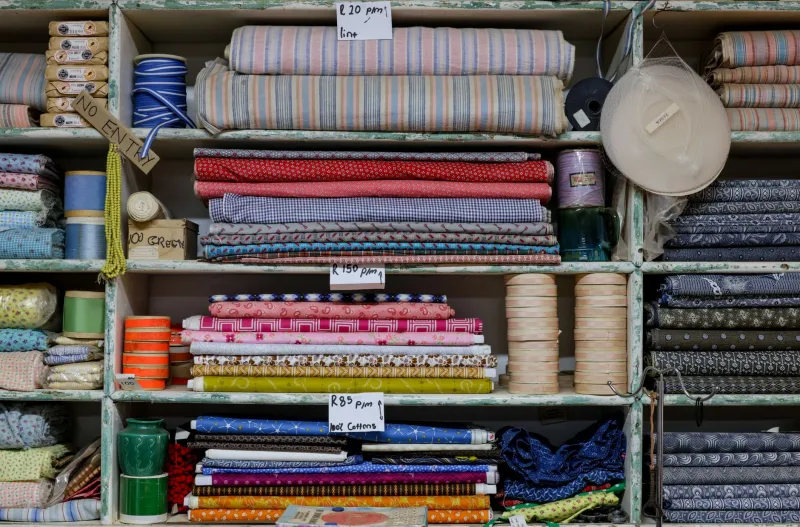
Every sewist remembers their first fabric purchase. Maybe it went great — and maybe you brought home a slippery slice of chiffon that still haunts you from the back of your stash. The truth is, the fabric you choose matters just as much as the pattern, especially when you're still figuring out what a 5/8" seam allowance actually looks like.
Here at GTN Sewing Co., we tell every beginner the same thing: learn on fabrics that forgive. The ten below are the workhorses of home sewing. Master these, and you'll be ready for just about anything on the wall.
1. Cotton Quilting Fabric (Quilter's Cotton)
If fabric had a student-of-the-month award, quilting cotton would win every time. It's stable, it presses crisply, and it comes in more prints than you could sew in a lifetime.
Sew this first: a simple drawstring bag or a set of cloth napkins. Straight lines, no fitting, instant gratification.
2. Linen
Linen is the relaxed friend of the fabric world — it wrinkles, and it doesn't care who knows. That natural texture hides a multitude of beginner wobbles, and it gets softer every wash.
Sew this first: a farmer's market tote. Linen is strong, breathable, and looks better slightly rumpled.
3. Cotton Poplin
Poplin is quilting cotton's more refined cousin: lightweight, smooth, and with a beautiful drape. It's a step toward "real" garment sewing without any of the slipperiness.
Sew this first: a kid's summer top or a simple button-back blouse. Poplin presses beautifully, so your collars and hems will look sharp.
4. Cotton Muslin
Muslin is cheap, plain, and endlessly useful. Pros use it to make test garments (that's literally why they're called "muslins"), but it's also great for everyday projects.
Sew this first: a test version of your next pattern — or a batch of produce bags for the grocery store.
5. Flannel
Flannel is brushed cotton, which means it's cozy, stable, and wonderfully forgiving. It doesn't slip around under the needle, and frayed edges press flat without drama.
Sew this first: winter pajama pants or baby receiving blankets. Nothing beats a flannel PJ sew-along in January.
6. Denim (Lightweight)
Skip the heavy 14-oz raw denim for now — a lighter 7–9 oz denim sews almost like cotton but teaches you to handle a little more body and bulk.
Sew this first: an apron with big pockets. Denim aprons are basically indestructible, which is exactly what you want while you're learning.
7. Cotton Canvas
Canvas is the muscle of the group. It's thick, sturdy, and holds structure like nobody's business. Use a fresh needle (denim or universal, size 90/14) and go slow at the seams.
Sew this first: a lunch bag or a storage bin. Canvas bins are the fastest way to make your craft room look intentional.
8. Gingham
Technically just woven cotton, gingham earns its own spot because the checks are a built-in straight-stitch coach. If your seams wander, you'll see it instantly — and fixing that habit now pays off forever.
Sew this first: picnic napkins or a summery midi skirt. Bonus: no print-matching anxiety, since the grid does the styling for you.
9. Jersey Knit (Cotton Blend)
Ready to meet your first stretch fabric? A cotton-blend jersey is the gentlest introduction. Use a ballpoint or stretch needle, a narrow zigzag stitch, and don't panic when the edges curl — that's normal.
Sew this first: a headband or a simple infinity scarf. Small wins build knit confidence.
10. Home Decor Cotton (Upholstery-Weight Print)
Slightly heavier than quilting cotton with a tight, durable weave, decor-weight fabric is perfect for the stuff that lives in your house and takes a beating.
Sew this first: simple envelope pillow covers. One seam, one holiday weekend, one whole new living room vibe.
A Quick Word on Needles and Thread
Whatever you bring home, match your tools to your fabric: universal needles for wovens, ballpoint for knits, and good-quality all-purpose polyester thread for nearly everything. Skimping on thread is the falsest of economies — trust us.
Your Homework (The Fun Kind)
Pick three fabrics from this list, grab a yard of each, and sew the three beginner projects above over a month. By the end, you'll know how you like to press, pin, and stitch — and you'll never stare down the fabric wall with dread again.
Happy sewing, from all of us at GTN Sewing Co.!