Three Machines, One Toiletry Bag: We Put Budget, Mid-Range, and Fancy Sewing Machines to the Test
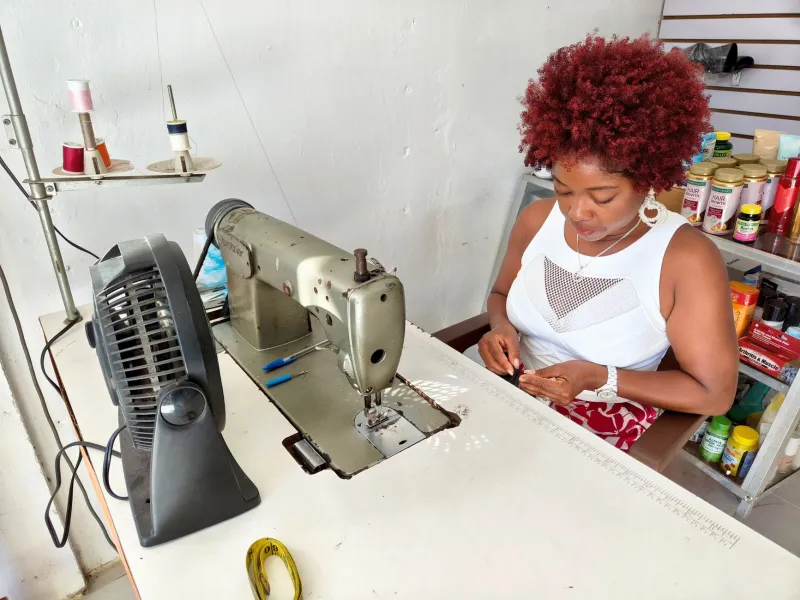
There's a moment every new sewist faces in the machine aisle (virtual or otherwise): do I grab the $60 machine off the Walmart endcap, or do I drop real money on something the quilting ladies at the shop keep raving about?
We wanted a straight answer, so we got our hands on three machines at three very different price points and ran them through the exact same projects: a cotton tote, a zipper pouch, and a set of napkins. Same thread, same fabric, same slightly impatient operator. Here's what we learned.
The Contenders
Budget tier (~$60–$130): Your classic big-box starter machine. Lightweight plastic body, front-loading bobbin, a dial with about fifteen stitches on it.
Mid-range (~$250–$500): The metal-framed workhorse territory — think Singer Heavy Duty, Janome's entry-level mechanicals, or a refurbished vintage-era model. This is the price band most serious hobbyists land in.
Premium ($700+): Computerized machines with automatic needle threaders, drop-in bobbins, a hundred-plus stitches, and a touchscreen that occasionally judges your seam allowances.
Stitch Quality: The Part That Actually Matters
Here's the uncomfortable truth: on woven cotton, with decent thread, all three machines produced a straight stitch you'd be happy to show off. The budget machine handled the tote bag without drama.
The differences showed up at the edges. When we layered four seams of denim for the bag base, the budget machine slowed to a crawl and skipped a stitch or two. The mid-range machine didn't blink. The premium machine didn't even raise its presser foot in protest (metaphorically — it does that automatically, which is delightful).
Verdict: If you're sewing quilting cotton and simple home decor projects, the cheap machine will serve you. If you dream of denim, canvas, or multiple layers, the mid-range frame earns its price.
Noise and Vibration: The Underrated Factor
Nobody talks about this, but you will sew at night, on your kitchen table, next to a sleeping household or a roommate watching TV. The budget machine whined like a distant dentist drill and walked itself across the table during long seams. The mid-range hummed. The premium machine was quiet enough that we forgot it was running — which, admittedly, led to one needle-through-finger-adjacent moment.
Frustration Points, Ranked
- Threading. The budget machine's front-load bobbin took us four attempts the first time and two ever after. The premium's auto threader worked nine times out of ten. The tenth time, we nearly cried.
- Tension. The mid-range mechanical dial was forgiving and easy to understand. The computerized machine handled it for us — great until it didn't, and then troubleshooting meant a manual and a deep breath.
- Buttonholes. The budget machine's four-step buttonhole is a patience exercise. One-step automatic buttonholes are, genuinely, worth paying for if you sew garments.
Which Features Are Marketing Fluff?
Skip: 200 decorative stitches (you'll use five), alphabet stitching, LCD screens under $500 (they're cheap screens), and "wireless connectivity" on anything, ever.
Worth it: An automatic needle threader if you're over 40 or sewing past 10 p.m. A metal frame. A drop-in bobbin. Adjustable presser foot pressure if you touch knits. Speed control if you're teaching kids.
So What Should You Buy?
If you're testing the hobby: borrow, thrift, or buy the budget machine with the understanding that you may outgrow it in a year. That's fine — it's a $60 tuition payment.
If you're committed: the mid-range workhorse is the sweet spot, and it's not close. It handled everything we threw at it and will still be running in fifteen years.
The premium machine is a joy. It is also a luxury, like a stand mixer with a bread proofing setting. Buy it when you know exactly why you want it — not before.
The best machine, as the quilt shop regulars will tell you, is the one that's actually plugged in and running. Everything else is detail.