Confessions of a Fabric Hoarder: A No-Shame Audit for Your Out-of-Control Stash
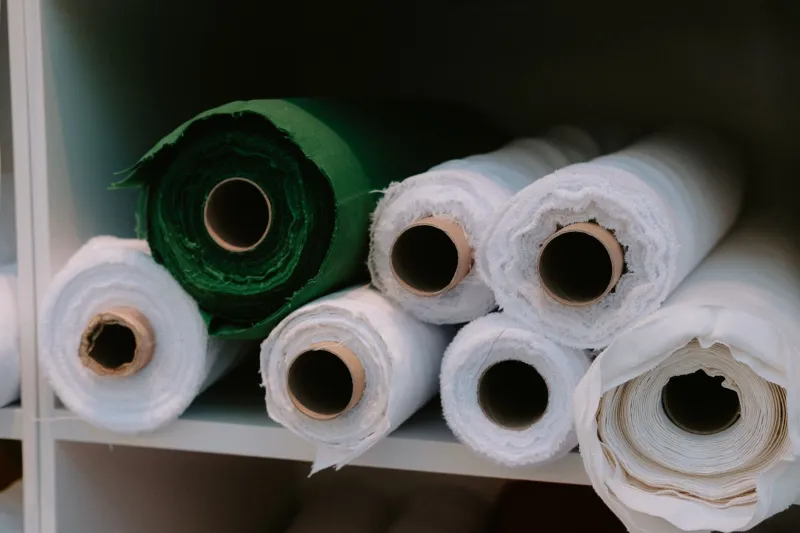
Let's start with a confession: somewhere in my closet is a half-yard of novelty cat-print canvas I bought in 2019 for a project I have never once remembered. I have moved apartments with it. Twice.
If you have your own version of the cat canvas — and every sewist does — this one's for you. Stash guilt is real, and it's time we talked about it like adults who occasionally buy three yards of rayon "just because it was on sale."
Why We Hoard, and Why It's Fine (Mostly)
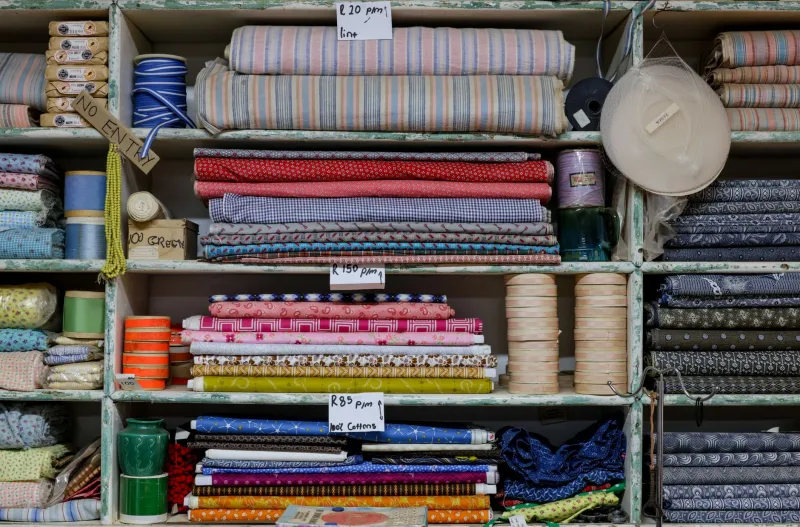
Fabric stashes exist for good reasons. Good fabric is hard to find and doesn't keep. Sales are real. That out-of-print Cotton + Steel print? It's not coming back. Buying fabric you love is not a moral failing — it's a supply chain hedge against a fast-fashion world.
The guilt only creeps in when the stash stops being a resource and starts being furniture you feel judged by. So the goal isn't a zero-fabric life. It's a stash that works for you instead of quietly radiating shame from the guest room.
The Use-It-or-Free-It Audit
Block off a Saturday afternoon — yes, the whole one — and pull every piece of fabric where you can see it. Then sort into four piles:
- Love it, have a plan. Keep. Obviously.
- Love it, no plan. Keep, but write the yardage on a scrap of paper and pin it to the fabric. Mystery yardage is why plans never happen.
- Meh. This is the honesty pile. Would you buy this fabric today, at full price? If no, it goes.
- What was I thinking? The cat canvas pile. Be brave.
Piles three and four don't go in the trash. Donate to a school art program, a thrift store, a sewing guild's charity table, or a friend just getting started. Fabric hoarded in a closet helps no one; fabric in a beginner's hands becomes a first quilt.
Storage for Real American Homes
Most of us don't have a craft room. We have a closet, an under-bed zone, and possibly an IKEA shelf doing heavy lifting. Some systems that earn their footprint:
- The comic board method: Wrap fabric around 8.5x11" backing boards (comic book boards, sold in packs online) and file them upright like books in a Billy bookcase. You can see everything at once. Dangerous, in the best way.
- The clear bin system: Shoebox-size clear bins, sorted by type — apparel, quilting cotton, knits, "special" — labeled on the end. Stackable, apartment-friendly, and visible.
- The under-bed roll: For yardage over two yards, roll instead of fold to prevent crease lines, and slide into shallow under-bed containers.
- The scrap jar: Every sewist needs one big glass jar of scraps. It looks cheerful, and it's where the stash-busting magic below comes from.
Three Stash-Busting Projects to Start This Weekend
1. The Nine-Patch Potholder. Grab your scrap jar, cut forty-five 3" squares, and sew a simple nine-patch with an insulating layer and a hanging loop. One evening, zero new purchases, and suddenly your holiday gift list is shorter.
2. The One-Yard Boxy Top. That apparel fabric you loved but never cut? A simple boxy woven top — plenty of free patterns out there — takes right around a yard and a single afternoon. Wear it to the grocery store and feel extremely accomplished.
3. The Quilt-As-You-Go Mug Rug Army. Quilt-as-you-go strips onto batting scraps, trim, bind, done. These are the gateway project of stash busting: low stakes, fast payoff, and they turn the tiniest hoarded pieces into hostess gifts.
A Standing Rule to Live By
Here's the rule we've adopted at the GTN household: every time new fabric comes in, one piece goes out. It keeps the stash a living, rotating thing instead of a museum. And when you catch yourself apologizing for how much fabric you own? Stop. You're not a hoarder. You're a person with a well-stocked pantry for a creative life.
Now go pet your stash, pull three cuts, and actually cut into them. That's what it's for.