The Remnant Bin Is Your Secret Season Planner: Building a 3-Month Sewing Queue for Under $15
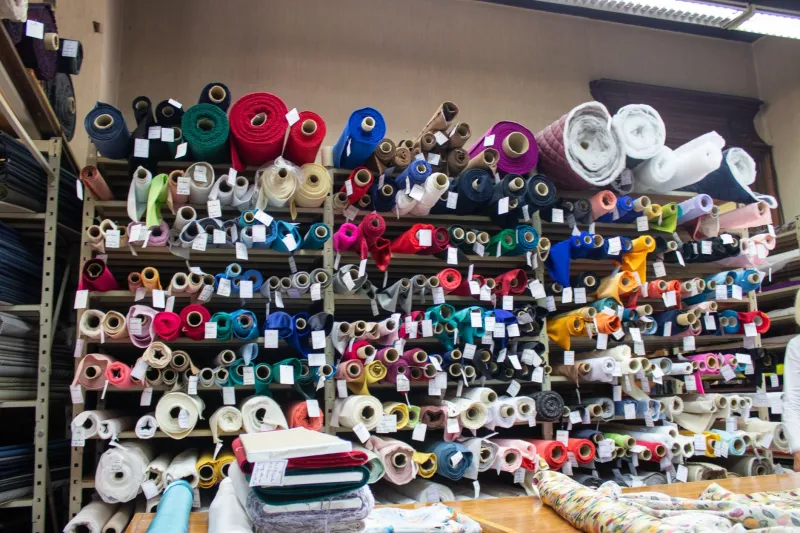
Every fabric store has one — that beat-up bin near the cutting table stuffed with odd-shaped cutoffs, end-of-bolt scraps, and mystery yardage priced to move. Most shoppers walk right past it. We're here to make the case that the remnant bin is the best planning tool in your sewing room.
Last month, we challenged ourselves: could we build an entire season's worth of projects from remnants alone, for less than the cost of a single patterned cut of quality quilting cotton? The final tally was $12.40, five finished projects, and one very satisfying planning template. Let's break down the method.
Why Remnants Beat Full Yardage (Sometimes)
Look, we love a fresh bolt as much as anyone. But remnants have three sneaky advantages:
- They're cheap enough to experiment with. That $3 piece of plaid flannel? Perfect for testing a collar technique you've never tried.
- They force small projects. A half-yard makes you think zipper pouch, not ballgown — which is exactly how you chip away at gift lists and skill-building.
- They're often the good stuff. Designer deadstock, linen offcuts from upholstery shops, and discontinued voile all end up in these bins. You're getting premium fabric at jo-ann-coupon prices.
The $12 Haul: A Real Example
Here's exactly what came home with us from a weekend trip to a big-box fabric store and a local independent shop:
- 1.1 yards of brushed cotton flannel, plaid — $3.00 (clearance bin). Became two flannel scarves and enough left for pocket squares.
- 3/4 yard of deadstock olive linen blend — $2.50 (remnant table). Matched perfectly to the sleeve panels of a pattern we already owned.
- 1/2 yard of quilt-weight cotton, discontinued print — $1.90. Zipper pouches, plural.
- Two 9" x 30" strips of ripstop nylon — $2.00. Produce bags for the farmers market run.
- A fat-eighth bundle of mystery corduroy scraps — $3.00. Key fobs and a sunglass case.
Total: $12.40. Five projects, most of them under two hours each.
Step One: Shop Your Pattern Stash First
Here's the mistake almost everyone makes: they buy the remnant, then hunt for a pattern it fits. Flip that. Before you leave the house, pull out your pattern collection (or your PDF library) and look for the small-stuff patterns — pouches, accessories, kids' clothes, sleeve details, patch pockets, tote bags.
Write down the minimum yardage each one needs. That's your shopping list. You're not shopping for fabric; you're shopping for yardage gaps.
Step Two: The 20-Minute Bin Strategy
When you hit the store, don't just paw through aimlessly. Give yourself a timer and a system:
- Check the grainline first. A remnant that's cut off-grain is nearly useless for garments but fine for bags and quilting.
- Measure, don't eyeball. Bring a tape measure. That "generous-looking" scrap might be a 12-inch square, which is one coaster, not one napkin.
- Think in pairs. Two small remnants in coordinating colors are worth more than one lonely piece — suddenly you've got contrast pockets, binding, or lining options.
- Photograph the selvedge. If you can't identify the fiber content, snap a photo of any printed info for burn-test googling later.
Step Three: Match Orphans to Patterns You Already Own
We all have them — orphan fabrics bought on impulse with no plan. Here's how to pair them up:
- Lay the fabric flat and measure the largest usable rectangle, ignoring wonky edges.
- Sort your patterns into three buckets: under 1 yard, 1–2 yards, and statement pieces.
- Match orphans to the under-1-yard bucket first. Accessories, kids' wear, and cut-and-sew projects live here.
- For bigger pieces, consider pattern surgery: a remnant for sleeves, yokes, or facings paired with stash fabric for the body of the garment.
Your Printable Season Planner
We turned this system into a one-page planner. Here's what goes on it:
- Season theme (one sentence — "cozy layers for cold-weather hiking" gives every project a purpose)
- Remnant inventory table: fabric type, dimensions, fiber content, price paid
- Pattern match column: which existing pattern pairs with each piece
- Skill goal: one technique per project (this season's was bar tacks and bound edges)
- Finish-by dates: real deadlines, because a season ends whether you finish or not
Print it, pin it above your machine, and check things off. There's something about a paper list that makes a plan feel real.
The Honest Caveats
Remnant shopping isn't all magic. You'll occasionally bring home a mystery poly-blend that pills after one wash. Some bins are picked over by quilters who got there first (respect). And if you're sewing a fitted garment, honestly, buy full yardage — piecing a bodice from scraps is an advanced sport.
But for building momentum, clearing gift lists, and stretching a hobby budget? The remnant bin is undefeated. Twelve dollars, one season, zero regrets.