We Did the Math: Is a Handmade Capsule Wardrobe Actually Cheaper Than Fast Fashion?
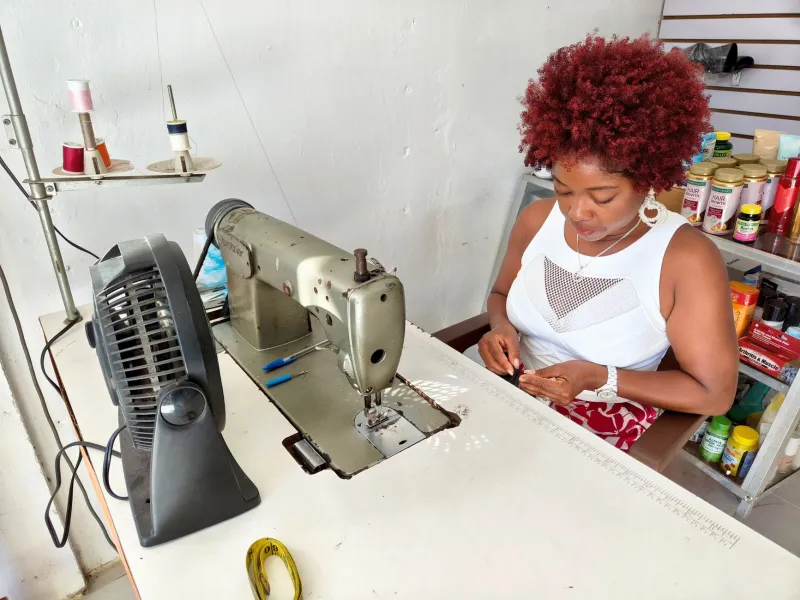
Let's kill the myth right up front: sewing your own clothes is not cheaper than buying clothes. Not at first, anyway.
If anyone tells you they sew to save money on a t-shirt, they either inherited a fabric stash the size of a small garage or they're doing creative accounting. But that's not the whole story — and after pricing out an entire capsule wardrobe stitch by stitch, we think the real math is far more interesting than the sticker price.
The Capsule, the Costs, the Cold Hard Numbers
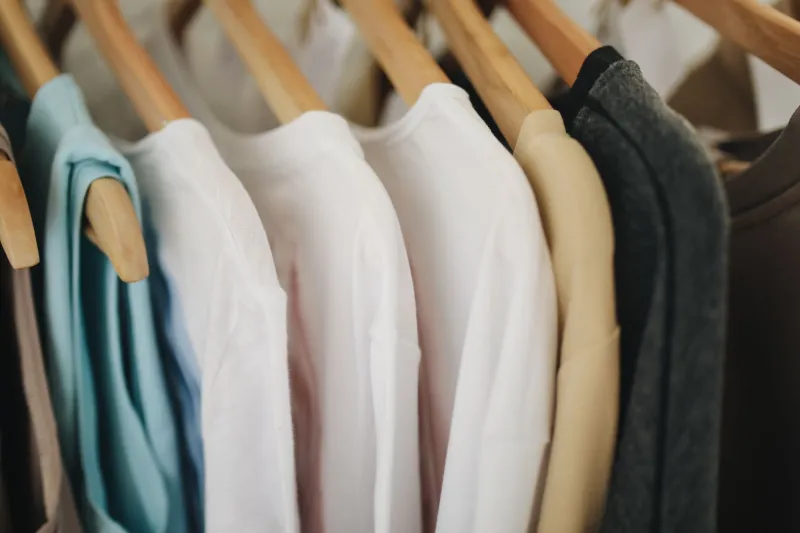
We built a hypothetical 10-piece capsule: two pairs of pants, two skirts, three tops, a dress, a jacket, and a layering cardigan. Then we priced everything at typical US independent fabric shop rates (not deep-discount online closeouts) and tracked our hours like a stopwatch-wielding accountant.
The handmade version:
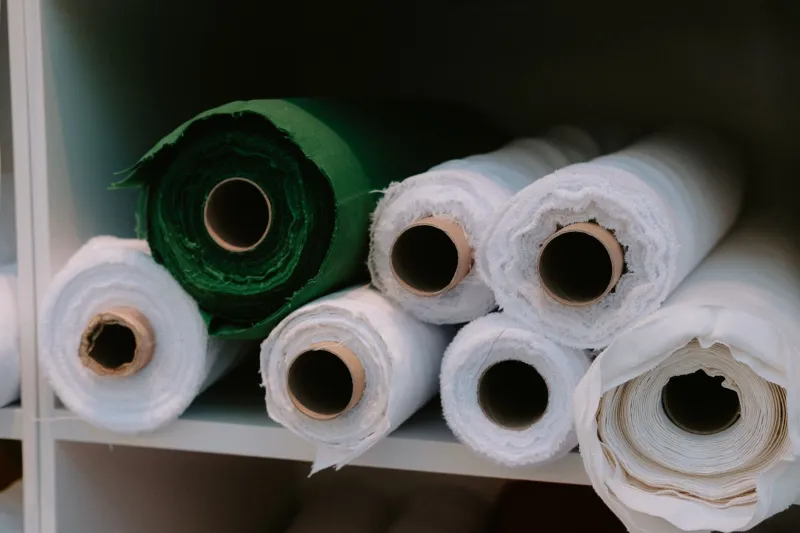
- Fabric: $248 (averaging $6–8/yd per garment, with the jacket eating a bigger share)
- Patterns: $85 (four multi-size PDF patterns, reused across several pieces)
- Notions: $62 (zippers, buttons, thread, interfacing, elastic)
- Total cash: $395
- Time: roughly 62 hours at the machine
The retail comparison: We shopped similar-quality pieces from mid-tier US retailers — think the brands that sit between fast fashion and designer, the kind made with real cotton and actual topstitching. Comparable items ran $60–180 apiece.
- Total retail: $940
So there it is. The handmade capsule cost about 42% of the retail version. Case closed, right?
Not quite. Because here's the honest counterpoint: a fast-fashion capsule from a big-box store could run $250 or less. If pure sticker price is your only metric, the mall wins and the sewing machine loses.
Where the Math Actually Turns
The number that changes everything is cost-per-wear — the price of a garment divided by how many times you actually wear it.
That $68 handmade pair of pants? We've worn our test pair 40+ times in six months. That's about $1.70 per wear and dropping. Meanwhile, the $12 mall pants that pilled after four washes cost $3 per wear and ended up in the donation bin before the season changed.
Sewing also has a built-in cheat code: pattern reuse. That $28 trousers pattern we bought for the capsule? It's now made four pairs. The per-garment pattern cost drops with every make, while a retail purchase never gets cheaper the second time.
And then there's fit. A garment made to your measurements gets worn more — you don't avoid it because the shoulders are wrong or the waist gapes. Higher wear, lower cost-per-wear. The math compounds in your favor.
The Budget Breakdown You Can Copy
Want to run your own numbers? Here's the template we used:
- List your 10 pieces and assign each a fabric yardage (pants: 2–2.5 yd, tops: 1.5–2 yd, jacket: 3 yd).
- Price fabric honestly at $6–10/yd for quality natural fibers. Budget less and you'll buy twice.
- Add 15% for notions — thread, zips, buttons, and interfacing add up faster than anyone expects.
- Amortize patterns across every garment you'll ever make with them, not just the first.
- Be honest about hours, but only count them if you'd otherwise be paying for leisure you don't enjoy. Nobody bills themselves for hobby time they'd spend anyway.
The Verdict We Didn't Expect
Here's our take after living with the numbers: sewing a capsule wardrobe isn't a budgeting strategy. It's a value strategy.
You will spend more per garment than the fast-fashion rack. You will spend less than quality retail. And somewhere in between, you end up with a closet where every piece fits, every piece gets worn, and every piece has a story attached — the muslin that failed, the seam you ripped three times, the fabric you drove two hours to buy.
Sticker price says the mall wins. Cost-per-wear, fit, and the quiet satisfaction of saying "thanks, I made it" says otherwise. We know which closet we'd rather open every morning.