We Asked a Machine Repair Tech What He'd Tell Every Sewist Before They Buy a New Machine
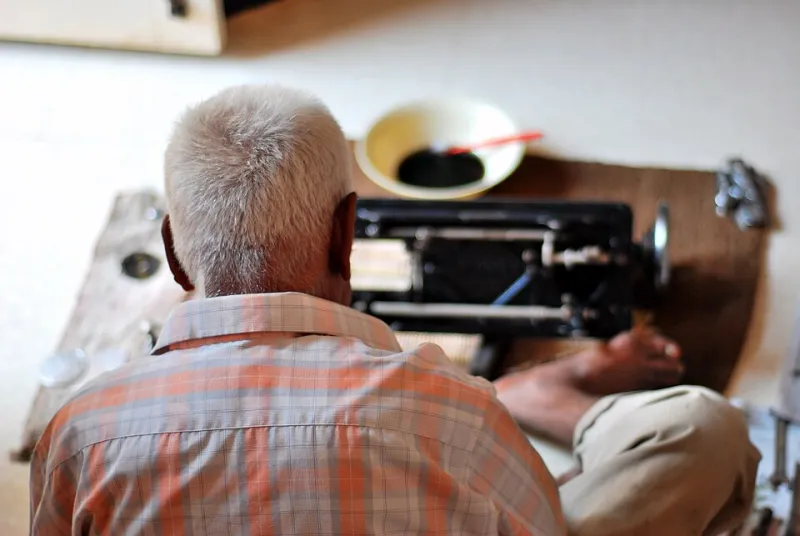
Photo: Harsha K R from Bangalore, India, CC BY-SA 2.0, via Wikimedia Commons
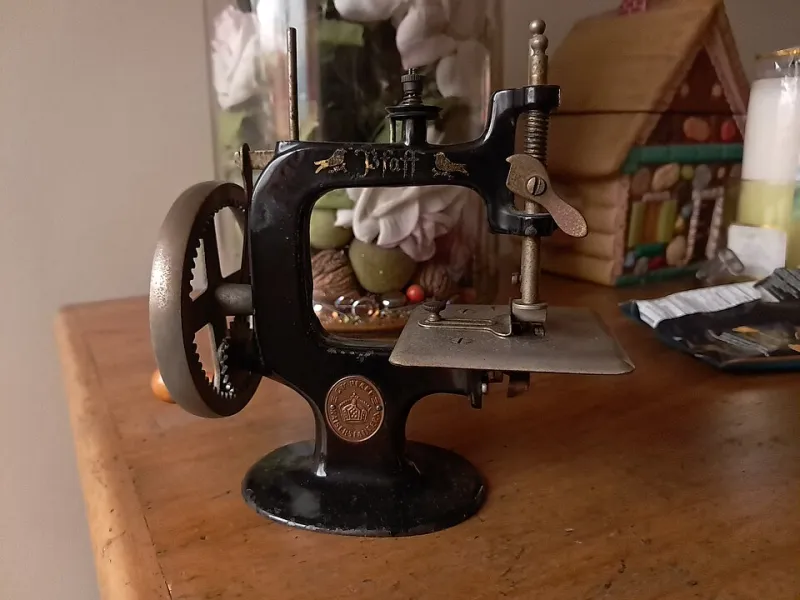
Dave has seen it all. A vintage 1952 Singer 201 brought in wrapped in a bath towel, caked in what he calls 'decade lint.' A $2,000 computerized machine that 'stopped working' because the needle was in backwards. And dozens of budget machines that got abandoned in closets for one fixable reason or another.
After 27 years at a repair bench in Ohio, Dave has strong opinions about what sewists get wrong — and almost all of it is free to fix. We pulled up a stool and took notes.
'Nine Out of Ten Machines Don't Need Me'
That's Dave's opening line, and he doesn't budge from it. The most common issues he sees — tension trouble, skipped stitches, the machine 'eating' fabric — trace back to three things: a dull or wrong needle, lint buildup, or bad thread.
'People treat the needle like it lasts forever,' he says. 'It's a wear part, like brake pads. You change your oil, right? Change your needle every project or every eight hours of sewing. That's it.'
Lint is the other silent killer, especially if you sew a lot of fleece, flannel, or Minky. Dave recommends opening the bobbin case and brushing it out every few projects — not just when the machine starts making that grinding noise. 'By the time it's noisy, it's already angry.'
The $12 Needle That Costs $400
Here's the mechanic's-eye math that stings: a decent quality needle costs a couple of dollars. A service visit runs $80 to $150 depending on where you live, and a 'dead' machine replacement can run $200 to $2,000.
Dave's biggest pet peeve? Sewists who grab a needle from a mixed tin of mystery needles bought at an estate sale in 1998. 'Ballpoint on woven cotton, sharp on knits, wrong size for denim — I see it weekly. Match the needle to the fabric. It's the single cheapest upgrade you can make.'
His short list of avoidable disasters:
- Wrong or dull needle — causes skipped stitches, tension issues, and fabric damage
- Cheap, fuzzy thread — sheds lint into the machine's guts
- Never cleaning the bobbin area — the number one cause of 'it just stopped working'
- Sewing over pins — knocks the machine's timing out of whack, which is a real repair
- Yanking the fabric sideways at a seam — bends needles and throws off alignment
When Is a Repair Actually Worth It?
Dave's rule of thumb is refreshingly blunt. 'If the machine cost less than $150 new and it needs timing or a circuit board, don't fix it. But if it's a decent mid-range machine — your Singers, your Janomes, your Bernettes — a $120 service can buy you another ten years.'
He's also a big believer in the used market. 'Half the machines on my floor are vintage all-metal workhorses I've serviced and sold for under $200. They'll outlast most new plastic machines. People are scared of them because they don't have a touchscreen. That's not a bug, that's a feature.'
The one thing he won't fix? Machines that have been stored in a damp garage or basement. 'Rust and corrosion on the internal parts, that's usually game over. Store your machine inside, covered, away from the humidity.'
Dave's Five-Minute Monthly Checklist
Print this and tape it inside your sewing cabinet:
- Change the needle. Every project, or every 8 hours of sewing, whichever comes first.
- Brush out the bobbin case. Use the little brush that came with your machine, not canned air — that just pushes lint deeper.
- Check your thread. If it's fuzzy, brittle, or older than your kid, toss it.
- Unplug and clean the feed dogs. Lint packed between the teeth causes feeding problems that look like 'tension issues.'
- Cover it up. Dust is lint's accomplice.
The Bottom Line
Before you click 'buy' on a shiny new machine, spend an afternoon doing Dave's checklist. There's a decent chance your machine isn't broken — it's just neglected. And if it truly is done for, ask a local repair shop about their serviced used machines before you buy new. Your wallet, and the landfill, will thank you.