Grandma's Old Sewing Machine Deserves a Second Chance: Your Estate Sale Evaluation Checklist
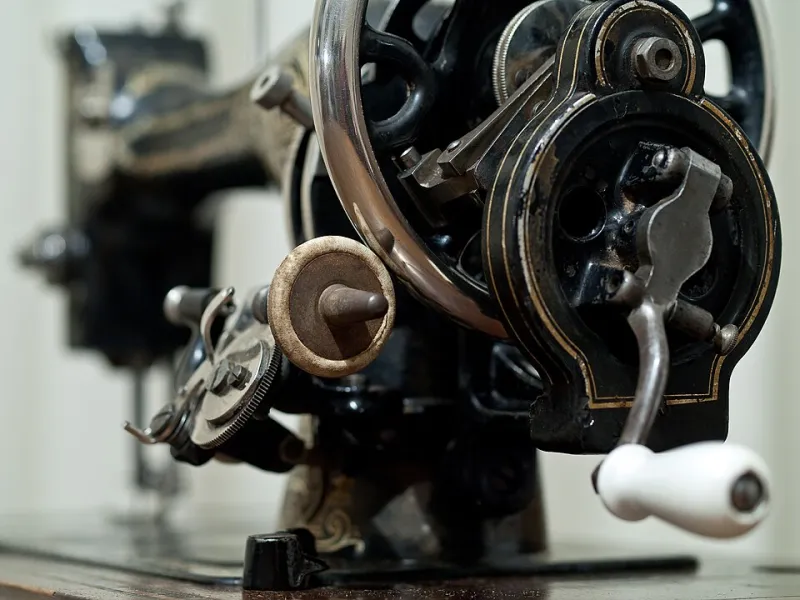
Photo: Uberprutser, CC BY-SA 3.0, via Wikimedia Commons
There's a moment that happens at nearly every estate sale in America: you spot a squat, all-metal sewing machine sitting on a folding table next to the china cabinet, priced at $40, and part of you wonders if it's a gem or a giant paperweight.
Good news — vintage machines, especially the all-metal workhorses from the 1950s through the 1970s, are often the best deals in sewing. But not every old machine deserves a spot on your table. Here's how to tell the difference before you hand over your cash (or before you fire up the one your grandmother left you).
Why the Old Tanks Keep Outlasting the New Stuff
Machines from the mid-century era — think Singer 401, 500, 66, or the beige 1970s models from Kenmore and Necchi — were built with steel gear trains and aluminum bodies. No plastic timing gears, no circuit boards, no proprietary computer chips that cost more to replace than the machine did new.
When something goes wrong on a vintage machine, it's almost always mechanical: a worn belt, gunked-up oil, a bent needle. You can see the problem. You can often fix it yourself with a screwdriver and a YouTube video.
That said, "old" doesn't automatically mean "good." Some machines were budget models even in their day, and a few are genuinely miserable to use. That's where the checklist comes in.
The Five-Minute Estate Sale Evaluation
Bring a phone flashlight, a scrap of fabric if you can, and run through this list:
1. The plug-in test. Ask the seller to plug it in. If there's no outlet nearby, at least turn the handwheel by hand. It should rotate smoothly with a little resistance — not grind, not catch, not screech. A seized wheel isn't necessarily fatal, but it means a trip to the repair shop.
2. Check for the foot pedal and power cord. Replacement cords exist and cost $20 to $35, so a missing pedal isn't a dealbreaker — just factor it in.
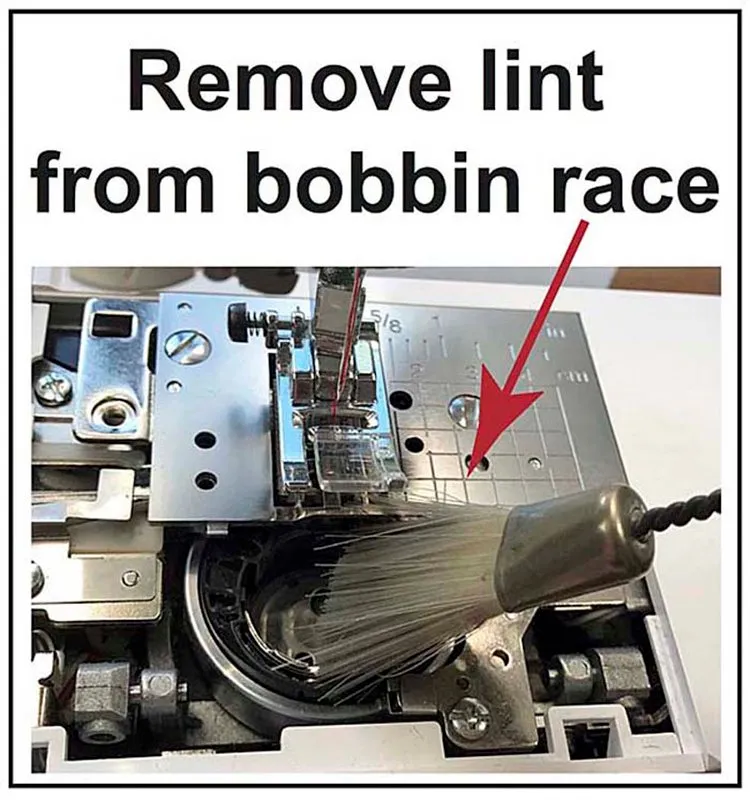
3. Look at the bobbin area. Flip open the slide plate. You're looking for rust, caked thread nests, or a bobbin case that's been jammed by someone with a butter knife. Surface lint is fine; corrosion is a negotiation point.
4. Count the accessories. Original feet, cams (for machines like the Singer 401 and 500), manuals, and the case all add value. Cams in particular can be pricey to source individually.
5. Sniff test — yes, really. A musty case smell is normal and fixable with a good airing out. A burnt electrical smell means the motor or wiring needs attention. Old wiring can be replaced, but budget for it.
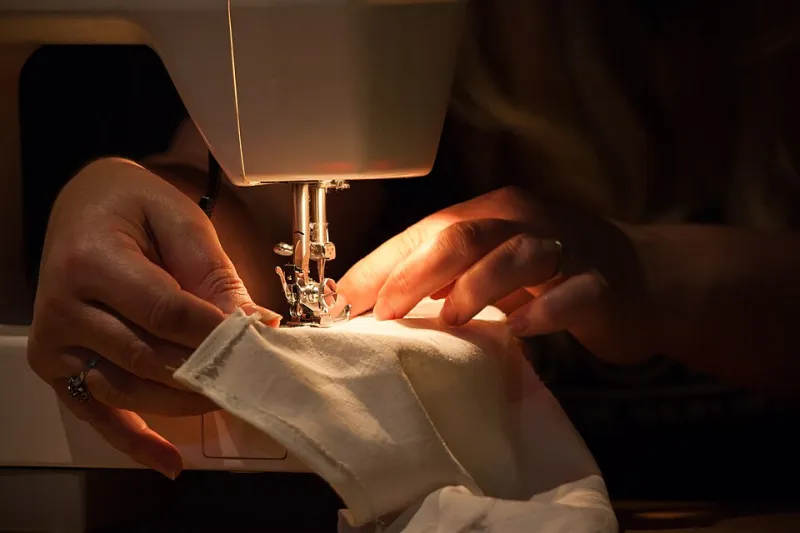
6. Straight stitch sanity check. If you can actually sew a few inches, do it. Look at the stitch on both sides. Even tension, no skipped stitches, no looping underneath. If it can't be tested at all, assume the worst and price accordingly.
What Restoration Actually Costs
Here's the honest math on a typical $50 estate sale find:
- Professional tune-up and cleaning: $75 to $150 at most independent shops
- New motor capacitor or wiring: $25 to $60
- Replacement bobbin winder tire, belt, or feed dog: $5 to $20 each
- New foot pedal and cord: $20 to $40
Worst case, you're into a fully serviced vintage machine for around $200 — still less than many new entry-level machines, and you'll have something with a metal gear train that will likely still be sewing in 2075.
If you're even slightly handy, a lot of this is DIY territory. Cleaning and oiling per the manual, replacing a belt, and de-gunking the bobbin race are all beginner-friendly. Save the timing adjustments for a pro.
Finding a Tech Who'll Actually Touch It
Not every repair shop works on older machines — some dealers would rather sell you a new one. A few ways to find the right person:
- Search for an "independent sewing machine repair" shop rather than a dealer service department
- Check with local quilt guilds or sewing meetup groups; they always know who's good
- Call and ask directly: "Do you service mechanical machines from the '60s and '70s?" The answer tells you everything
- Expect a wait. Good vintage techs are often booked out weeks, especially before the holidays
When to Walk Away
Skip the machine if the housing is cracked, the needle bar is visibly bent, parts are missing that you can't source (some obscure brands have zero parts availability), or the seller wants collectible prices for a common model. A Singer 66 in rough shape is worth $40, not $400, no matter what the listing says.
And one last thing: if you've inherited a machine from a family member, even one that doesn't run, it's almost always worth a $100 service call. Machines like that carry more than stitches — and once it's cleaned up, it'll probably sew better than anything you could buy new this weekend.
Have a vintage machine story or a restoration question? Drop it in the comments — we love a good resurrection tale.