Ten Minutes a Day Beat My Empty Saturdays: A Month of Micro-Sewing, Logged
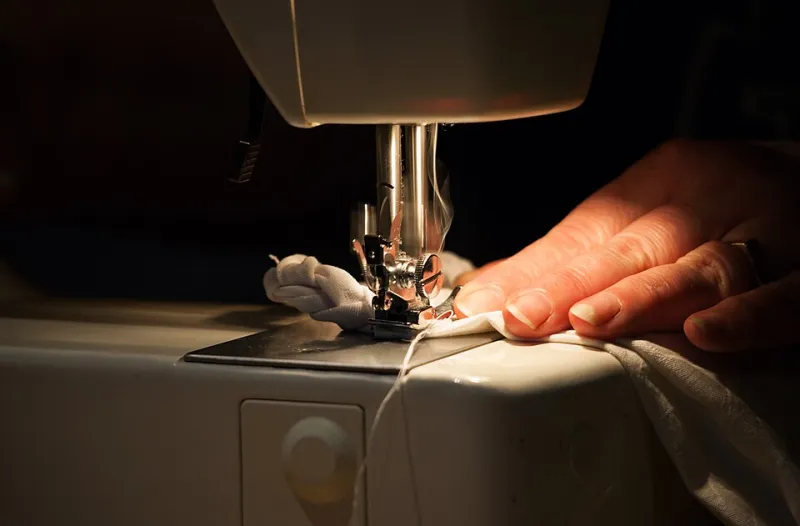
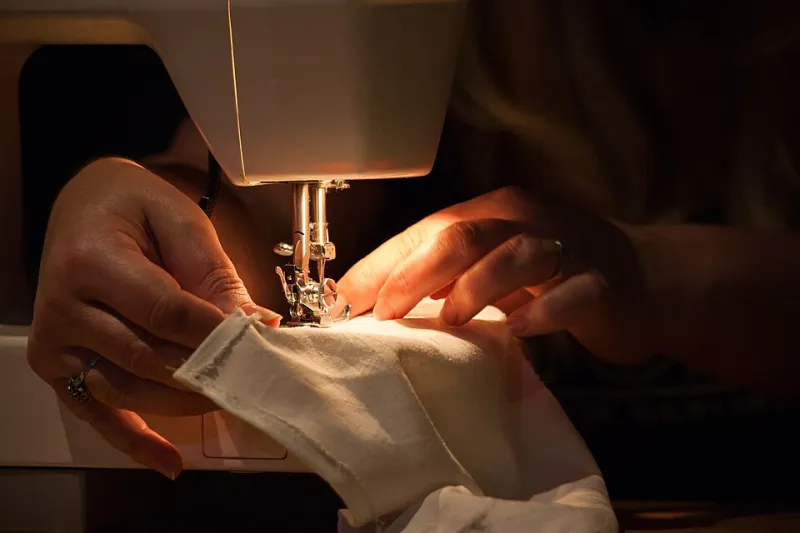
Photo: Tadeáš Bednarz, CC BY-SA 4.0, via Wikimedia Commons
The Saturday That Never Comes
Every sewist I know has the same dream: one glorious, uninterrupted Saturday where the house is quiet, the iron is hot, and the cutting table is clear. And every sewist I know also knows how rarely that Saturday actually shows up. Between work, kids' soccer, grocery runs, and the mysterious erosion of free time that happens to every American adult, the big project weekend stays perpetually one week away.
So last month I ran an experiment on myself. No more waiting for the perfect day. Instead, I would sew for ten minutes. Every single day. That's it. Here's what happened.
The Rules (There Were Only Three)
- Ten minutes minimum, timer on. Once the timer dinged, I could keep going if I wanted, but I never had to.
- No setup guilt. If all I did was thread the machine and sew one seam, that counted.
- No project rules. Hemming, pinning a pattern, topstitching a pocket, unpicking a bad seam — all of it counted as sewing.
The idea wasn't to finish things fast. It was to stop treating sewing like an event that requires a reservation.
Week One: The Resistance Phase
The first few days were awkward. My brain kept insisting that ten minutes wasn't "worth setting up the machine for." That's the lie that kills most home sewing, by the way — the belief that setup has to precede a Big Session. On day two I just hemmed a pair of work pants while my pasta water boiled. Done. Timer hadn't even finished.
By day five, I'd noticed something interesting: I stopped dreading setup entirely, because setup was the whole task. There was no mountain behind it.
Week Two: Momentum Sneaks In
This is where it got fun. On day nine I sat down to topstitch a neckline and looked up forty minutes later. The timer rule worked like a trick on my own brain — committing to ten minutes removed the pressure, and the pressure removal made the work enjoyable again.
I finished a bias-bound skirt hem that week. It had been sitting on the dress form since February.
Week Three: The Log, Honestly
I kept a sticky note on the machine. A rough tally of the month's micro-sessions:
- Hemmed: two pairs of pants, one skirt, one pair of curtains
- Mended: a blown knee patch on my kid's jeans, a button on a cardigan, a torn tote bag
- Pattern work: traced and cut an entire blouse pattern across four evenings
- Construction: sewed the blouse body, set one sleeve
- Skipped: zero days
Zero days is the headline. Even on the night I got home at 9:30 p.m. from a work dinner, I pinned a pattern piece for ten minutes. That tiny session mattered less for what it produced and more for what it protected: the habit.
Week Four: What Actually Got Finished
By day 30, I had one finished blouse, one finished skirt, a pile of completed mending, and — this is the part that surprised me — more total sewing hours than any "big weekend" I'd attempted all spring. Ten minutes daily adds up to roughly five hours a month. Five hours is a whole garment for most of us. The weekend fantasy never delivered five hours; it delivered Netflix and guilt.
How to Fit Ten Minutes Into a Real Schedule
Want to try it? A few things made this workable around a normal working-adult life:
- Leave the machine threaded and covered. Setup is the enemy. Eliminate it.
- Attach it to an existing anchor. After dinner, after the kids' bedtime, right after your morning coffee. Habits stick to habits.
- Keep a "next action" note. Never sit down wondering what to do. The night before, write the one next step: "topstitch left pocket."
- Batch the pinning, not the sewing. Pin a whole project in one session; then each future session is pure stitching, which is the fun part.
- Let mending count. It's real sewing, it clears the pile, and it builds momentum fast.
The Verdict
The ten-minute habit didn't make me a faster sewist. It made me a current one. The projects stopped gathering dust because I was never away from them long enough for the momentum to die. If you've been waiting for a free weekend to get back to your machine, stop. Put the timer on tonight. Ten minutes. That's the whole assignment.