The Midi Skirt That Nearly Ended Me: Confessions of a 3 A.M. Seam Ripper
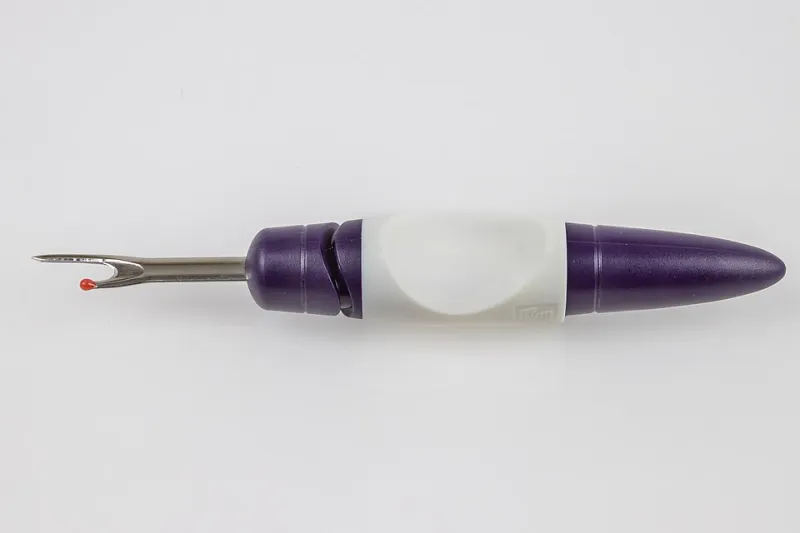
Photo: Superbass, CC BY-SA 4.0, via Wikimedia Commons
It's 3 a.m. on a Tuesday, and I'm sitting on my living room floor holding a half-finished midi skirt up to the lamp like a doctor examining an X-ray. The side seam puckers. The waistband twists. There is a needle mark exactly where a needle mark should never be. And I have been unpicking the same seam for forty minutes.
This is the story of the project that broke me — and, according to every experienced sewist I talked to afterward, the project that made me.
The Garment That Fought Back
It was supposed to be easy. A simple A-line skirt, three pattern pieces, one invisible zipper. I'd sewn worse. But somewhere between cutting and the final hem, this skirt became my nemesis. The fabric shifted. The zipper bubbled. I installed the waistband twice, and both times it came out crooked in a way that felt personal.
So I did what we all do: I stayed up. I ripped. I re-sewed. I ripped again. Around 2 a.m. I was no longer sewing — I was negotiating with an inanimate object. By 3, I'd made my fourth mistake of the night, this one worse than the first, because my eyes were sandpaper and my seam allowances had gone theoretical.
The next morning I shoved the whole thing in a closet, where it lived for five months. I called it my tuition.
Every Sewist Has One
When I started asking around, the confessions poured out. A quilter in Ohio told me about a wedding gift table runner she sewed the binding on backwards — the night before the wedding. A costume volunteer in Georgia described cutting an entire bodice on the fold when the pattern said cut two. A retired home ec teacher admitted she once fused interfacing to the ironing board cover and just... left it there for a year, like a small fabric-based monument to defeat.
The details change. The story doesn't. Somewhere along the line, every maker destroys one garment they truly cared about.
"It's practically a rite of passage," the retired teacher told me. "If you've never sat on the floor at midnight with a seam ripper, questioning your life choices, you haven't been sewing long enough."
What the Pros Do Differently
Here's what surprised me: the experienced sewists I spoke with weren't proud of never failing. They were proud of failing faster.
Their shared habits boiled down to a few things:
- They stop before the point of no return. Tired sewing is where most disasters are born. The pros quit while the mistakes are still fixable.
- They rip once, thoroughly. Instead of picking at a seam five times and shredding the fabric, they unpick carefully one time, press, and start clean.
- They check fit early. Basting a side seam and trying the garment on takes ten minutes and catches problems while they're still cheap to fix.
- They separate the fabric from the failure. A wonky skirt is a wonky skirt. It is not a verdict on your abilities.
One teacher put it best: "Beginners think ripping out a seam means the project failed. Experienced sewists know ripping out a seam means the project isn't finished yet."
The Rip-or-Walk-Away Checklist
After my skirt saga, I wrote myself a rulebook. Tape it inside your sewing cabinet if it helps:
- Am I tired, or is this actually hard? If it's past your bedtime, put the pins down. The seam will still be there tomorrow. It will not be better at 3 a.m.
- Is the fabric damaged? Snipped through the fabric, needle holes showing, pulled threads? If yes, stop ripping. More ripping makes it worse. Walk away, or get creative — that section might become a pocket bag or a design detail.
- Have I fixed this same seam twice already? Three strikes means something structural is wrong — grainline, seam allowance, pattern piece. Ripping a third time won't fix a pattern problem.
- Can I still name what I love about this project? If the answer is yes, shelve it for a week, not forever. If the answer is no, release it without guilt. The fabric isn't wasted; it's available.
- Would I let a friend beat herself up this badly over one crooked waistband? Then don't do it to yourself.
Tuition, Not Failure
Five months later, I pulled that skirt out of the closet, unpicked the waistband one final careful time, and finished it in a single calm afternoon. It's in my regular rotation now. Every time I wear it, I can point to the exact spot where I learned more than any tutorial ever taught me.
That's the reframe worth keeping: a ruined garment isn't a failure, it's tuition paid. And unlike most tuition, this one comes with a wearable diploma — eventually.